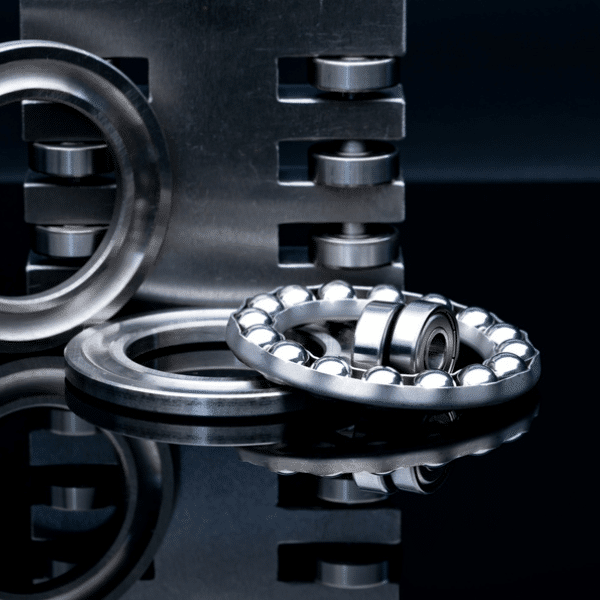
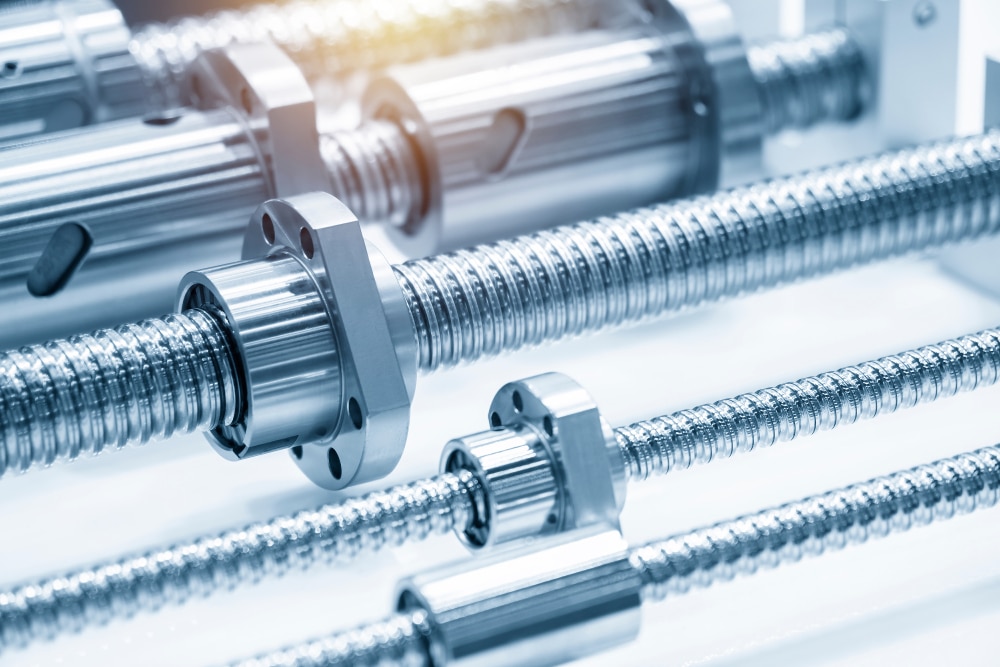
Avoiding catastrophic breakdowns and maintaining mechanical systems requires accurate determination of bearing loads. Overloading occurs when the applied force exceeds the bearing’s dynamic or static load ratings, causing premature fatigue, distortion, and failure. Radial bearings with high axial loads may wear unevenly to trigger early failure and lengthy outages. On the other hand, underloading in preloaded angular contact bearings lowers frictional contact. It results in instability and excessive axial movement, which limits CNC spindle accuracy. The load type and bearing design must match when choosing bearings.
Deep groove ball bearings handle radial loads well. Yet, thrust or angular contact bearings manage strong axial forces better. Tapered roller bearings that bear axial and radial strains are ideal for vehicle wheel hubs. Bearings with smaller or ceramic rolling parts, including turbine assembly, mitigate centrifugal forces in high-speed applications. Load evaluation affects operating life and efficiency. Overloading a bearing diminishes its lifetime. However, well-matched bearing loads lengthen equipment life, decrease frictional losses, and optimize performance in high-stress conditions, including heavy-duty gearboxes and aircraft turbines.